Larry Levan was one of the most influential DJs in the history of dance music. Born Lawrence Philpot in Brooklyn in 1954, he became the central musical force behind New York’s legendary Paradise Garage, where he held a residency from 1977 to 1987. That club, with its powerful sound system and deeply devoted crowd, became a defining space in club culture, and Levan’s marathon sets there were so revered that many regulars referred to them as “Saturday Mass.”
What made Larry Levan so important was not simply his technical ability, but his instinct, imagination, and emotional control over a room. He played across boundaries, blending disco, soul, dub, post-punk, synth-pop, early rap, and emerging electronic sounds into sets that felt unpredictable yet completely cohesive. In doing so, he helped redefine what a DJ could be: not just someone who played records, but someone who shaped atmosphere, narrative, and identity on the dancefloor.
Levan’s influence reached far beyond New York. His approach to sound, remixing, and musical selection helped lay the groundwork for garage, house, and modern club culture as a whole. He was closely associated with the Paradise Garage as both its spiritual center and its sonic visionary, and his name became synonymous with a style of DJing that valued depth, drama, and total immersion. Even decades after his death in 1992 at the age of 38, Larry Levan remains a towering figure for DJs, collectors, and dance music historians alike.
William DeVaughn is an American soul singer, songwriter, and guitarist best known for the 1974 classic “Be Thankful for What You Got.” Born in Washington, D.C., he came to music not as a full-time industry figure from the start, but as a working songwriter with a distinctive, understated style that set him apart from many of his contemporaries.
What made DeVaughn so memorable was his ability to combine warmth, social awareness, and elegance in a way that felt completely natural. “Be Thankful for What You Got” began life under the title “A Cadillac Don’t Come Easy,” and when it was finally recorded in Philadelphia, it became a major hit, reaching No. 1 on the U.S. R&B chart and No. 4 on the Billboard Hot 100. The song’s relaxed groove, reflective message, and instantly recognizable lines gave it a lasting place in soul history.
Although that song remains his signature, William DeVaughn’s appeal goes beyond one hit record. His music captures a particular side of 1970s soul: smooth, thoughtful, deeply musical, and rooted in feeling rather than excess. Backed on his breakthrough recording by top Philadelphia musicians associated with MFSB, DeVaughn created a sound that still resonates with collectors, DJs, and soul listeners today.
Koko Taylor was one of the defining voices of Chicago blues. Born Cora Walton in Tennessee in 1928, she moved to Chicago in 1952 and developed the fierce, commanding vocal style that would earn her the title “Queen of the Blues.” Her breakthrough came after Willie Dixon brought her into the Chess/Checker circle, leading to her classic recording of “Wang Dang Doodle,” the song that became her signature and secured her place in blues history.
What made Koko Taylor so important was not only her success, but the sheer force of her presence. Her voice was raw, powerful, joyful, and unfiltered, carrying the emotional weight of traditional blues while still feeling urgent and alive. When she joined Alligator Records in the mid-1970s, she began a long and celebrated recording run that helped establish her as the leading female blues singer of her era. Over the course of her career, she earned multiple Grammy nominations, won a Grammy, and collected more than two dozen Blues Music Awards.
For collectors and blues fans, Koko Taylor stands as far more than a great singer. She was a central figure in keeping classic blues alive on modern stages, bringing intensity, authority, and authenticity to every performance. Her recordings still sound powerful today because they come from a place that cannot be imitated: lived experience, deep feeling, and absolute conviction.
Gary Chandler was an American trumpeter whose name is closely linked to one of the great cult records of early 1970s soul-jazz and jazz-funk. Born in 1938, he began playing professionally around 1960 in the Columbus, Ohio scene, working with musicians such as Hank Marr, Don Patterson, and Benny Maupin. In the years that followed, he also worked in the Motown Revue and later played with Lou Donaldson and Charles Earland, experiences that helped shape the warm, groove-driven sound he would bring to his own music.
That sound reached its clearest expression on Outlook, released in 1972 on Eastbound Records. The album was Chandler’s first and only release as a leader, but it left a lasting impression thanks to its rich blend of soulful trumpet lines, deep organ grooves, and tight, funky ensemble playing. Producer Bob Porter and engineer Rudy Van Gelder helped give the record its distinctive character, while the supporting cast included players such as Idris Muhammad, Cornell Dupree, Ceasar Frazier, Harold Ousley, Dick Griffin, Gordon Edwards, and Buddy Caldwell.
Over time, Outlook built a strong reputation among collectors, DJs, and soul-jazz fans, especially because original copies became hard to find and highly sought after. Tracks such as “Baby Let Me Take You (In My Arms)” helped turn the album into a crate-digger favorite, but the appeal of Gary Chandler goes beyond rarity alone. What makes his music endure is the balance of musicianship, feeling, and groove: a sound rooted in jazz, shaped by soul, and delivered with real elegance and power. Though his recorded legacy under his own name is small, Gary Chandler remains a respected figure for listeners who value the deeper, more rewarding corners of 1970s Black American music.
Clarence Reid was one of the defining figures behind the Miami soul sound. As a singer, songwriter, and producer, he helped shape a style that blended Southern soul, deep funk, and Caribbean-influenced rhythm and blues into something unmistakably its own. Working within the orbit of Henry Stone’s TK label family and alongside key collaborators such as Willie Clarke, Reid became one of the most important creative forces in Miami music during the late 1960s and 1970s.
His impact went far beyond his own artist recordings. Reid wrote or co-wrote major songs for artists such as Betty Wright and Gwen McCrae, including classics like “Clean Up Woman” and “Rockin’ Chair,” and he is also credited with important work connected to Sam & Dave, KC & the Sunshine Band, and other artists from the wider TK world. What made Clarence Reid special was his ability to combine strong hooks, emotional directness, and groove-driven arrangements in a way that felt both raw and sophisticated.
Although some listeners later discovered him through his outrageous alter ego Blowfly, Clarence Reid’s deeper legacy lies in his role as an architect of modern soul and funk. For collectors, DJs, and lovers of independent Black American music, his catalog represents a crucial chapter in the history of Miami soul: inventive, uncompromising, and full of personality. Clarence Reid was not simply part of that story, he helped write it.
Ann Peebles is a celebrated American singer and songwriter known for her distinctive voice, emotional depth, and lasting influence on soul and R&B music. Born on April 27, 1947, in St. Louis, Missouri, Peebles found her musical roots in gospel music, performing with her family in the choir at her local church. This early foundation in gospel would shape her powerful, emotive vocal style.
Peebles gained national attention in the late 1960s after signing with Hi Records, a Memphis-based label renowned for its roster of soul artists. There, she began working with producer Willie Mitchell and a tight-knit group of studio musicians who helped craft the signature “Hi Sound” — a smooth, rhythm-driven fusion of soul, R&B, and funk.
Her breakthrough came in 1973 with the release of “I Can’t Stand the Rain”, a track co-written with her husband Don Bryant and Bernard “Bernie” Miller. The song became an instant classic, praised for its haunting melody and deeply personal lyrics. It reached the Top 10 on the Billboard R&B chart and has since been covered or sampled by a wide range of artists, including Tina Turner and Missy Elliott.
Throughout the 1970s, Peebles continued to release successful albums and singles, including hits like “I’m Gonna Tear Your Playhouse Down” and “Until You Came Into My Life.” Her music often blended themes of love, heartbreak, and resilience, resonating with listeners across generations.
Despite taking a step back from recording in the 1980s to focus on her family, Peebles returned to the spotlight in the 1990s and early 2000s, continuing to perform and record new material. Her voice remained as powerful and expressive as ever, earning her a loyal fan base and renewed critical acclaim.
Ann Peebles’ contributions to soul music have left an indelible mark. Her influence is felt not only through her own recordings but also through the many artists who have been inspired by her work. She is widely regarded as one of the most authentic and enduring voices in American soul music.
Whether through the raw emotion of her lyrics or the unmistakable richness of her voice, Ann Peebles has earned her place as a true icon in the history of R&B.
Tyrone Davis was a defining voice in American soul and R&B music, known for his smooth vocals, emotional depth, and heartfelt performances. Rising to prominence in the late 1960s and dominating the charts through the 1970s and early 1980s, Davis earned a loyal following and left an enduring legacy in the world of soul music.
Early Life and Musical Beginnings
Born on May 4, 1938, in Greenville, Mississippi, Tyrone Davis moved to Chicago during his teenage years—a city that would later become central to his music career. Initially working as a valet for blues singer Freddie King, Davis was soon inspired to pursue music himself. He began performing in local clubs and recording under the name “Tyrone the Wonder Boy” in the early 1960s.
Breakthrough and Chart Success
Davis’s breakthrough came in 1968 when he signed with Dakar Records, a Chicago-based label. His first major hit, “Can I Change My Mind”, released later that year, quickly soared to the top of the R&B charts and cracked the Billboard Hot 100, peaking at No. 5. The song’s catchy melody and relatable lyrics set the tone for Davis’s signature sound—soulful, romantic, and deeply expressive.
Following this success, Davis delivered a string of hits throughout the 1970s, including:
“Turn Back the Hands of Time” (1970) – Arguably his most iconic song, it became a No. 1 R&B hit and reached No. 3 on the Billboard Hot 100.
“If I Could Turn Back the Hands of Time”
“I Had It All the Time”
“Give It Up (Turn It Loose)”
His records consistently blended smooth grooves with themes of love, heartbreak, and reconciliation, earning him widespread acclaim and a reputation as one of the most reliable hitmakers of his era.
Later Career and Legacy
As musical trends shifted in the 1980s, Davis adapted his style, recording for several labels including Columbia and Ichiban. Though his mainstream chart success waned, he continued touring and recording well into the 1990s, maintaining a devoted fan base, especially in the Southern soul circuit.
Tyrone Davis passed away on February 9, 2005, after suffering a stroke the year before. He was 66 years old.
Despite his passing, Davis’s music remains a staple of classic soul playlists. His smooth delivery, relatable lyrics, and emotional sincerity continue to influence modern R&B artists and keep his legacy alive.
Impact and Recognition
Tyrone Davis may not have received the same level of mainstream recognition as some of his contemporaries, but within the R&B and soul communities, his contributions are invaluable. He scored over 40 R&B chart hits during his career, cementing his place among the genre’s greats. His songs have been sampled and covered by numerous artists, testifying to their enduring appeal.
Tyrone Davis was more than just a singer; he was a storyteller whose music captured the joys and sorrows of love. With a voice that could convey both vulnerability and strength, he touched the hearts of millions. His timeless recordings continue to resonate with fans old and new, proving that great soul music never fades.
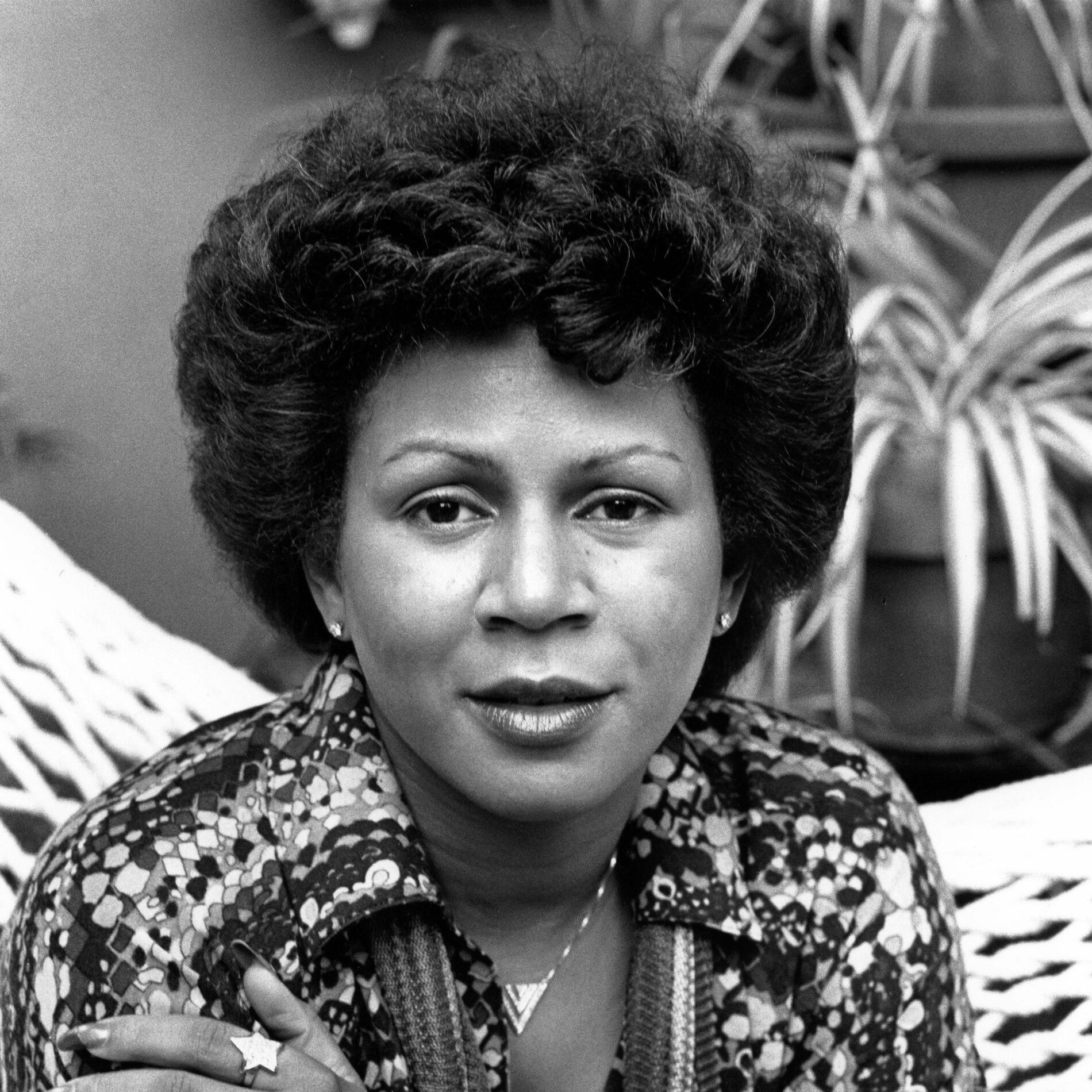
Minnie Riperton was more than a singer — she was a musical phenomenon whose voice captivated the world. Best known for her 1975 chart-topping single “Lovin’ You,” Riperton left an indelible mark on soul and R&B music with her remarkable vocal range, emotive performances, and pioneering artistry.
Early Life and Musical Roots
Born on November 8, 1947, in Chicago, Illinois, Minnie Julia Riperton was the youngest of eight children. Her musical talents were evident from an early age. Encouraged by her parents, she studied music, drama, and dance at Chicago’s Lincoln Center. She received classical vocal training at the Chicago Musical College of Roosevelt University, preparing initially for an operatic career before being drawn into the soul and pop scenes.
Breakthrough and Musical Journey
Riperton began her music career as a backing vocalist for Chess Records in the 1960s. She sang backup for artists like Etta James, Bo Diddley, and Fontella Bass. She then joined the psychedelic soul group Rotary Connection, a band produced by Charles Stepney and Marshall Chess, where her distinctive voice started gaining attention.
In 1970, Riperton released her debut solo album Come to My Garden, produced by Charles Stepney. While not commercially successful at the time, the album would later be recognized as a cult classic, showcasing her angelic soprano and nuanced songwriting.
Her breakthrough came in 1974 with the album Perfect Angel, produced by her husband Richard Rudolph and legendary musician Stevie Wonder (credited as “El Toro Negro”). The album included “Lovin’ You,” a lullaby written for her daughter Maya Rudolph, which became a #1 hit on the Billboard Hot 100 in 1975. The song was notable for Riperton’s effortless use of the whistle register, a vocal feat that set her apart from her contemporaries.
A Unique Vocal Instrument
Minnie Riperton possessed a five-octave vocal range, with her whistle register becoming her signature. Few artists before or since have mastered this range with such control and musicality. Her voice was both powerful and intimate, capable of conveying complex emotion with clarity and grace.
Personal Life and Legacy
In 1976, Riperton was diagnosed with breast cancer and underwent a mastectomy. Despite the diagnosis, she continued to perform and record music, becoming one of the first celebrities to publicly speak about breast cancer. She served as a national spokesperson for the American Cancer Society, bringing attention to early detection and women’s health.
Riperton passed away on July 12, 1979, at just 31 years old. Her death was a devastating loss to the music world, but her influence endured. She is remembered not only for her exceptional talent but also for her grace, strength, and trailblazing advocacy.
Influence and Recognition
Minnie Riperton’s influence can be heard in the work of artists such as Mariah Carey, Alicia Keys, and Ariana Grande, who have cited her as an inspiration. Her daughter, Maya Rudolph, has become a celebrated actress and comedian, often honoring her mother’s legacy through her work.
In 2022, Riperton was posthumously honored with the Rhythm & Blues Hall of Fame Lifetime Achievement Award, cementing her place among the greats of American music.
Minnie Riperton’s artistry was defined by elegance, innovation, and emotional depth. Though her time was brief, her voice continues to resonate across generations. Her songs remain a testament to the beauty of expression and the enduring power of soul.
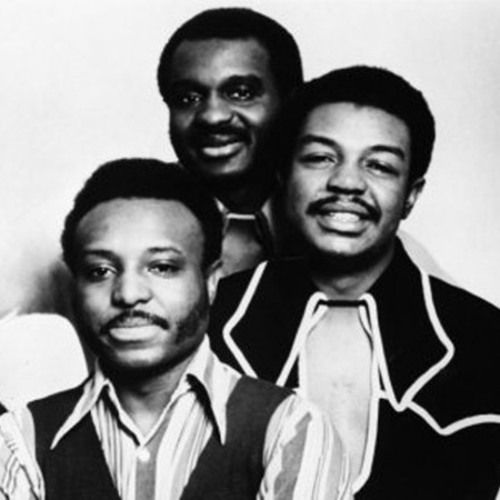
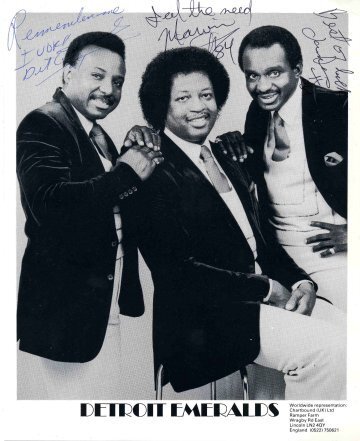
Originally named The Emeralds, the group was founded in Little Rock, Arkansas, in the mid-1960s by the Tilmon brothers: Ivory, Abrim, Cleophus, and Raymond. As Cleophus and Raymond chose to stay with gospel music, Abrim and Ivory shifted to secular soul and added childhood friend James Mitchell Jr. to the lineup. The group soon moved to Detroit, rebranding themselves as The Detroit Emeralds and beginning to shape a distinctive blend of harmony-driven R&B.
Rise to Fame
Their first brush with success came in 1968 with the single Show Time, which broke into the U.S. R&B and pop charts. In 1970, a move to Westbound Records marked the start of their most successful era.
Key early hits included:
“If I Lose Your Love”
“Do Me Right” – A breakout hit that reached #7 on the R&B chart and entered the Billboard Hot 100
“Wear This Ring (With Love)”
Their 1972 album You Want It, You Got It further elevated their status with:
“You Want It, You Got It”
“Baby Let Me Take You (In My Arms)”
These tracks showcased the group’s talent for crafting emotionally resonant soul music with catchy, sophisticated arrangements.
International Recognition
In 1973, The Detroit Emeralds released what would become their signature song: “Feel the Need in Me”. It became a smash in the UK, where it peaked at #4. A disco remix of the track in 1977 revived its popularity, bringing it back to the UK charts and introducing the group to a new generation of listeners.
That same year, “You Want It, You Got It” also charted in the UK, proving their transatlantic appeal.
Musical Style & Production
The Detroit Emeralds fused the raw emotion of Memphis soul with the polished production of Detroit. Their process often began with rhythm tracks laid down in Memphis, later enhanced with string and vocal overdubs in Detroit. This dual-city approach resulted in a smooth but dynamic sound. Many arrangements were handled by Grammy-winning arranger Johnny Allen, while Abrim Tilmon contributed heavily to songwriting and vocal direction.
Group Changes and Later Years
By 1974, the original group had split into two entities. Abrim Tilmon led one version of The Detroit Emeralds, while James Mitchell joined with new members to form a separate group, continuing to record and write music—including for other artists like The Floaters.
Although the group’s commercial success faded by the late 1970s, they briefly returned with a new lineup in 1977, spurred by the disco-era success of the reissued Feel the Need.
In 2019, the group was revived by James Mitchell Jr., joined by new members, and released a string of singles including Call Me, I’m Ready (2019), Victory (2021), Face 2 Face (2021), and In My Life (2022).
Discography Highlights
Year
Album
Notable Tracks
1968
Show Time
“Show Time”
1971
Do Me Right
“Do Me Right”, “Wear This Ring (With Love)”
1972
You Want It, You Got It
“You Want It, You Got It”, “Baby Let Me Take You (In My Arms)”, “Feel the Need in Me”
1973
I’m in Love with You
“You’re Getting a Little Too Smart”
1977
Feel the Need
Disco remix of “Feel the Need in Me”
Though they never reached the household-name status of some of their Motown peers, The Detroit Emeralds made a significant contribution to the R&B and soul music scenes of the 1970s. Their work exemplifies the elegance, emotion, and musicality that defined the era. Songs like “Feel the Need in Me” and “Do Me Right” remain timeless staples for soul music fans.
Their influence continues to echo in modern R&B and pop, and their catalog is often revisited by collectors, DJs, and new generations of music lovers exploring the roots of classic soul.
Leroy Phillip Mitchell—better known as Prince Phillip Mitchell—was born on June 27, 1944, in Louisville, Kentucky. Raised in a rural area near the city, he grew up singing in church and quickly developed musical prowess. A multi-instrumentalist, he taught himself guitar and piano and began writing songs early on. As a teenager, he performed with local groups like The Checkmates and The Cash Registers before a stint in the military led him to join the Moonlighters and various touring revues.
Songwriter Extraordinaire
Following a move to Muscle Shoals in 1969, Mitchell signed with a local music publishing division. His songwriting career took off with several significant hits:
“It Hurts So Good”, first recorded by Katie Love, became a signature song for Millie Jackson and was later covered by Susan Cadogan.
“Starting All Over Again”, recorded by Mel & Tim, became a pop and soul favorite.
He also penned classics like “Leftovers” and “A Star in the Ghetto”, the latter performed by Average White Band with Ben E. King.
Mitchell wrote extensively for artists such as Millie Jackson, Bobby Womack, Joe Simon, Candi Staton, and Archie Bell & the Drells, establishing himself as a go-to hitmaker in the soul and R&B worlds.
Solo Career: The Late ’70s
After gaining recognition as a songwriter, Mitchell stepped into the spotlight as a performer. He signed with Atlantic Records in 1977 following his collaboration with jazz artist Norman Connors. His solo discography includes:
Make It Good (1978): A deeply personal album featuring all original songs. Standout tracks include “One On One,” “You’re All I Got In the World,” and “Star In The Ghetto.”
Top of the Line (1979): Recorded at Muscle Shoals, it includes gems like “Paying the Price,” “If It Ain’t Love, It’ll Go Away,” and “I’m So Happy.”
His most commercially successful solo single, “One On One,” reached the R&B charts in 1978, solidifying his status as a solo artist with both style and substance.
Later Years & Legacy
Mitchell continued to record into the mid-1980s and early ’90s with releases such as Devastation (1986) and Loner (1991). These works showcased his evolving style while staying true to his soulful roots. He eventually founded his own record label and remained active in live performances, especially in Europe where his cult following grew.
In 2004, a compilation album highlighted his extensive contributions as a songwriter, celebrating his influence across decades of soul music.
Why He Matters
Prince Phillip Mitchell’s career represents a rare combination of talents: a masterful songwriter, a powerful singer, and an insightful producer. While he may not have achieved mainstream superstardom, his music remains essential listening for soul aficionados and fans of deeply emotional, narrative-driven R&B. His work has influenced multiple generations of musicians and continues to resonate with audiences worldwide.
Recommended Listening
Make It Good (1978) – Especially “One On One” and “Star In The Ghetto.”
Top of the Line (1979) – Featuring “Paying the Price” and “I’m So Happy.”
Compilation Albums – Featuring songs written for other major artists.
From his roots in Kentucky to his influence on international soul music, Prince Phillip Mitchell is a shining example of enduring artistry. His blend of Southern grit, melodic sophistication, and heartfelt lyricism cements his place as a cornerstone of classic soul.


:max_bytes(150000):strip_icc()/blowfly_0-1004ab16bed4400487d9577fa123ac36.jpg)